Signs You May Need Treatment for Clouded Eye Lenses
Vision can shift so gradually that you adapt without realizing anything is wrong until everyday tasks start feeling oddly difficult. Clouding of the eye’s natural lens is one of the most common reasons people notice dimmer, blurrier sight over time. While it’s often associated with aging, it can also develop earlier due to health conditions, medications, or prior eye injuries. Knowing the warning signals helps you decide when to seek an evaluation and what options might restore clarity.
Subtle Changes That Sneak Up on You
A frequent early clue is that the world looks slightly muted, as if someone lowered the brightness on a screen. You might find yourself turning on extra lamps, moving closer to signs, or increasing font sizes more often than before. Even if you can still function, the extra effort can be telling. If you’re debating whether it’s “just fatigue,” it may be time to check your eyes now and see whether lens clouding is contributing to the change.
Nighttime Glare and Halos That Weren’t There Before
Driving after dusk may become stressful when headlights flare into starbursts or rings, and streetlights seem to smear. This isn’t just an annoyance; it can become a safety issue, especially in the rain or on poorly lit roads. Some people stop driving at night altogether because the glare feels overwhelming. When halos appear consistently and worsen over months, it’s worth discussing with an eye professional because it can indicate that lens clarity is declining.

Colors Look Duller or Slightly Yellowed
Many people don’t notice color changes until they compare the same object under different lighting or see it next to a newer, brighter reference. Whites can look beige, blues can appear grayer, and overall contrast may drop. This happens because a clouded lens scatters and filters light before it reaches the retina. You may also find that distinguishing similar shades like navy versus black takes more concentration than it used to.
Frequent Prescription Changes That Don’t Fully Help
If your glasses prescription seems to change often, yet you still feel like your vision never becomes crisp, the issue may not be the prescription alone. Lens clouding can create fluctuating blur that spectacles can’t fully correct. Some people notice they can read better without their usual glasses for a brief period, then that “improvement” disappears. When refractions stop delivering satisfying clarity, it’s a good moment to ask whether lens opacity is affecting the results and to apply practical vision care tips that reduce strain while you pursue a clear diagnosis.
Blurriness That Comes With a Hazy Film Sensation
Clouded lenses often cause a soft-focus effect, as if a thin fog sits between you and the scene. This can be more noticeable in bright sun, where scattered light makes objects look washed out. People sometimes describe it as looking through a smudged window, even after cleaning their glasses. If blinking, rest, and lens cleaning don’t change the blur, the source may be inside the eye rather than on the surface.
Trouble With Contrast and Reading Comfort
Reading may become harder not only because letters blur, but because contrast weakens black print on white paper, which doesn’t “pop” the way it used to. You might need brighter light to read comfortably, yet paradoxically feel more bothered by glare. Digital screens can also become challenging, especially with white backgrounds. This mix needs more illumination but dislikes brightness, which often points toward internal scattering from a clouded lens.
One Eye Falling Behind the Other
Sometimes one lens clouds faster than the other, creating a surprisingly disruptive imbalance. You might notice depth perception changes, more squinting, or a sense that one side of your visual field is less sharp. Covering one eye at a time can reveal differences you hadn’t recognized. Even if the “better” eye seems fine, the mismatch can cause headaches or fatigue because your brain works harder to merge two unequal images.
Sensitivity to Light and Lingering Eye Fatigue
As the lens loses transparency, light entering the eye can scatter in ways that feel harsh rather than helpful. Bright conditions may cause discomfort, and you might feel worn out after shopping in a brightly lit store or spending time outdoors. This can be paired with frequent squinting, brow tension, or a need for sunglasses more often than before. When this pattern becomes routine, it’s a sign to revisit the overall eye health importance and get a targeted assessment instead of simply “pushing through.”
What Evaluation and Treatment May Look Like
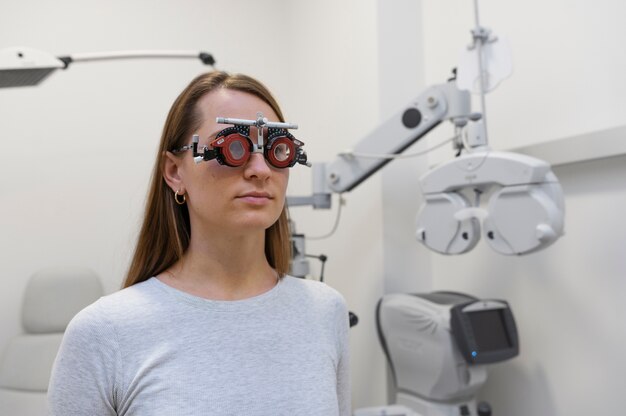
An exam typically includes visual acuity testing, refraction, and a close look at the lens with magnification after pupil dilation. Your clinician may also check eye pressure and evaluate the retina to rule out other causes of blurred vision. If lens clouding is mild, you may be advised to adjust lighting, update lenses, manage glare, and monitor changes over time. When symptoms begin limiting daily activities, such as driving, reading, and work tasks, treatment often involves removing the clouded lens and replacing it with a clear intraocular lens; an eye procedure guide discussion can help you understand anesthesia options, recovery timelines, and how lens choices affect near and distance vision.
Conclusion
Clouded eye lenses can announce themselves in quiet, cumulative ways: dimmer scenes, bothersome glare, shifting prescriptions, and a persistent haze that makes life feel visually heavier. The good news is that evaluation is straightforward, and modern treatment options are highly refined, with many people returning to sharper, brighter vision after appropriate care. If you’ve recognized several signs described here, scheduling a comprehensive exam can clarify what’s happening and help you regain confidence in your sight.
