The Importance of Regular Vision Testing for All Ages
Vision is one of the main ways we learn, work, connect, and stay safe, yet it’s easy to assume that “seeing fine” means everything is fine. In reality, eyesight can change gradually, and the brain often adapts so well that small losses go unnoticed. Regular vision testing acts like a routine system check, confirming that your eyes are functioning as they should and that subtle shifts are caught early. Whether you read on screens all day, spend time driving at night, or simply want to maintain independence as you age, consistent checkups help you stay ahead of problems rather than reacting to them later.
Why Small Changes Often Go Unnoticed
The eyes and the brain are excellent at compensating. If one eye starts to do more work than the other, or if clarity declines slowly, you may not recognize it until fatigue, headaches, or blurry distance vision becomes disruptive. That’s why scheduling an exam is useful even when you feel “normal.” At-home cues like squinting, holding a phone farther away, or needing brighter light to read can be easy to rationalize. A professional test measures visual acuity, focus, coordination, and often other signals that don’t show up in everyday life until they’re more advanced.
A Simple Step That Protects Daily Performance
If you’ve been postponing an appointment because life is busy, it helps to reframe it as performance maintenance, not just a medical task. Many people realize after an exam that they were working harder than necessary straining to read, blinking more, or feeling tired by midafternoon. Taking the time to check your eyesight now can improve comfort in ways that feel immediate, from sharper screen clarity to more confident driving. It also supports safer movement through the world, because good vision affects balance, depth perception, and reaction time.
Early Detection Keeps Options Open
One of the biggest benefits of routine testing is catching emerging issues when they’re easiest to manage. Some eye conditions and vision changes can progress quietly, and early identification can reduce the chance of long-term complications. For example, a mild prescription change can be corrected before it causes persistent strain. Dry eye patterns can be addressed before they start interfering with work or sleep. In many cases, timely awareness offers more choices, like for lifestyle adjustments, lens updates, or medical follow-up, rather than having to deal with a more complex situation later. This is another reason many providers encourage you to check your eyesight now rather than waiting for symptoms to become disruptive.
Visual Development and School Success
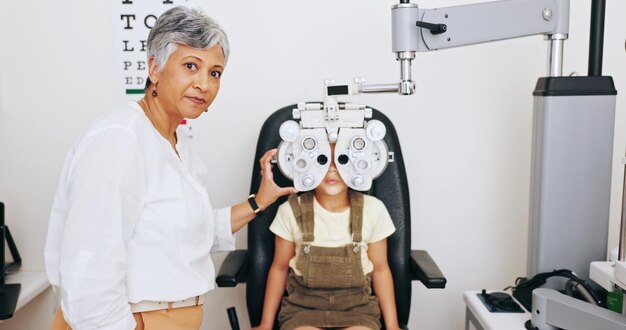
For younger people, vision supports learning in direct and indirect ways: reading fluency, attention, handwriting, sports participation, and even confidence in the classroom. Kids may not realize their experience is different from everyone else’s, and they often won’t complain; they’ll adapt by avoiding close work, losing place while reading, or becoming frustrated with tasks that require sustained focus. A comprehensive evaluation can help clarify whether visual skills are keeping up with developmental demands. When the exam is age-appropriate and thorough,children’s eye exams can identify needs early and support better learning habits before academic challenges build momentum.
Screens, Strain, and Modern Habits
Adults of all ages spend more hours focusing at near distances than previous generations, often under artificial lighting and with frequent task switching. This can contribute to eye fatigue, fluctuating clarity, and discomfort that feels like “just being tired.” Practical changes like optimizing lighting, adjusting screen distance, increasing blink frequency, and taking brief focus breaks can help, but an exam provides a baseline and ensures there isn’t an underlying focusing issue. If you wear glasses or contacts, small changes in prescription or lens design can make prolonged screen work much more comfortable.
Safety, Mobility, and the Demands of Driving
Good vision is not only about reading lines on a chart; it’s also about contrast sensitivity, peripheral awareness, and quick visual processing. These factors matter for driving in rain, fog, or nighttime glare, and for navigating stairs, curbs, and crowded environments. Many people notice challenges first in low-light conditions, where small deficits become more obvious. Regular testing helps confirm that your visual abilities match your lifestyle demands, especially if you drive frequently or rely on precise vision for work. Updating lenses when needed can reduce glare stress and improve confidence behind the wheel.
Healthy Eyes Across the Years
As the body changes, so do the eyes. Near vision typically becomes more difficult with age, and other shifts may affect tear quality, focusing speed, or sensitivity to light. Even if you’ve never needed correction before, routine testing can confirm whether you’re still functioning at your best and whether supportive options could improve quality of life. If you already wear glasses or contacts, periodic exams ensure your correction remains accurate and comfortable. When paired with good habits hydration, balanced nutrition, sun protection, and careful contact lens hygiene regular assessments help maintain steady vision rather than allowing preventable discomfort to become “normal.”
Risk Factors That Deserve Extra Attention
Some people benefit from more frequent evaluations due to family history, medical conditions, or occupational demands. For example, people who work around dust or chemicals, do precision tasks, or spend long hours on digital devices may face higher strain or exposure. Certain medications can also influence dryness or focusing, and systemic health changes can affect the eyes. A clinician can tailor guidance based on your profile, helping you prevent vision problems by acting early before mild concerns turn into persistent limitations. Even when everything looks healthy, documenting a clear baseline can make future changes easier to detect.
Conclusion
Treating eye care like any other regular appointment scheduling in advance, setting reminders, and tying it to a regular season each year is the simplest way to stay on top of it. If cost or time is a concern, ask clinics about appointment length, what’s included, and whether follow-ups are needed. Bring your current glasses or contacts, note any symptoms you’ve noticed, and mention changes in work habits, screen time, or headaches. If you’re unsure where to start, it can still be helpful to check your eyesight now and get a professional recommendation for an interval that fits your age, health status, and daily demands. By making testing consistent, you protect comfort, productivity, and independence at every stage of life.
